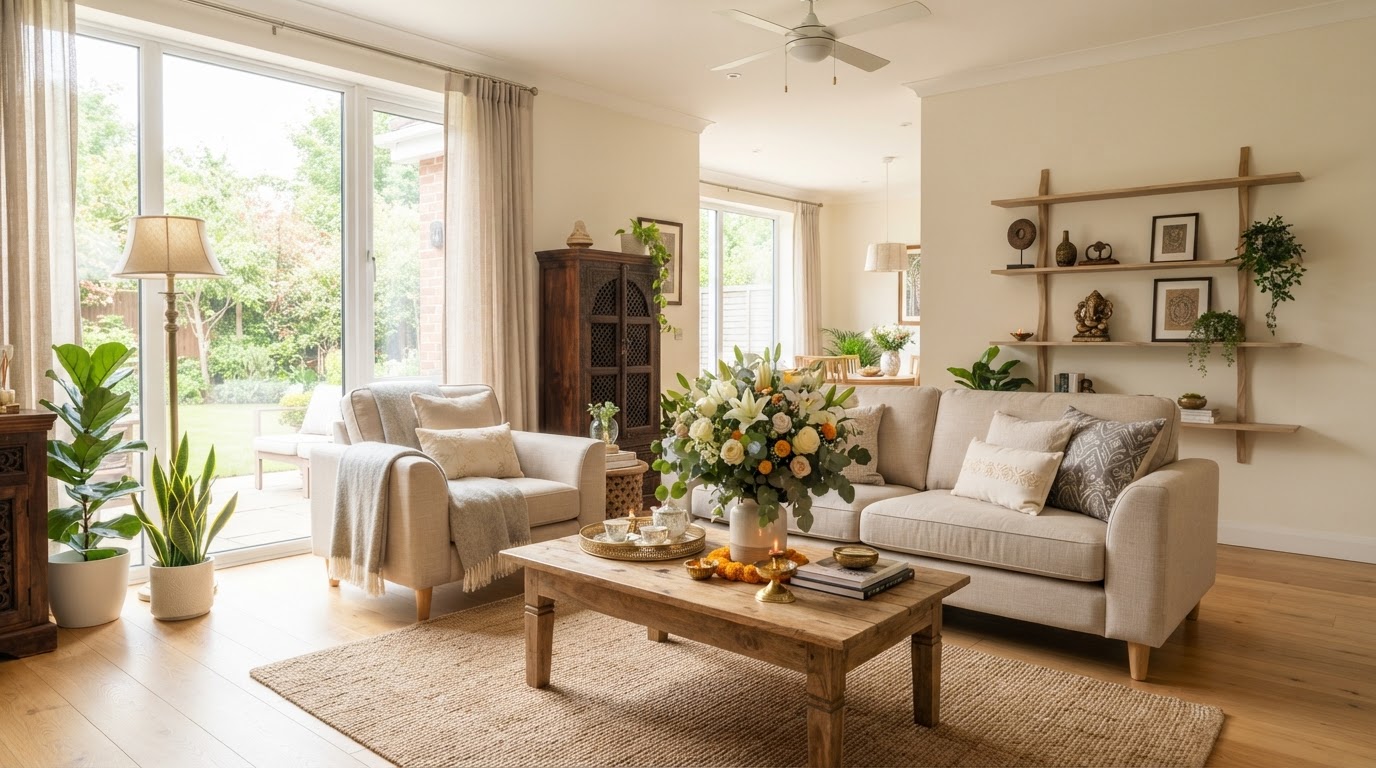
When it comes to selling a home, staging is one of the most misunderstood tools. Many sellers assume it means expensive renovations or professional decorators; in reality, the staging that actually works is about clarity, not cost. After thirty years of helping sellers in Panchkula present their homes, I have seen the same low-cost steps deliver the biggest impact, time after time. The goal is simple: help buyers see the property's true value, not your daily life.
Decluttering is the first and most powerful step. A home filled with personal items, furniture that no longer fits the space, and accumulated belongings feels smaller and harder to imagine as someone else's. Removing excess lets the actual space — the rooms, the light, the layout — become the focus. Buyers are not buying your belongings; they are buying the shell and the potential. Give them room to see it.
Deep cleaning is the step that costs the least and returns the most. Clean windows, floors, bathrooms, kitchen surfaces and fittings signal that the property has been cared for — which reassures buyers about everything they cannot see, from plumbing to structure. A spotless home reads as a maintained home. Skip this, and even a well-priced property can feel neglected, which quietly drags down every offer.
Light is the single most underused staging tool. Open curtains and blinds fully before viewings, replace dim bulbs with bright, neutral-temperature ones, and turn on lights in darker rooms and corridors even during daytime viewings. A bright home feels larger, warmer and more welcoming; a dim one feels smaller and tired, regardless of its actual size. Light costs almost nothing and changes how every room photographs and feels.
Address the obvious repairs before you list. Leaking taps, squeaking doors, cracked switch plates, peeling paint — these are small, inexpensive fixes that buyers notice and use as negotiation leverage far beyond their actual cost. A buyer who spots three minor defects starts to wonder what larger problems are hidden. Fixing the obvious removes that doubt and protects your asking price.
Neutralise where you can. Bold wall colours, very personal decor and highly specific furniture can distract buyers from the property itself. A light, neutral palette helps more buyers imagine their own life in the space, which is the mental step that turns a viewing into an offer. You do not need to repaint everything — focus on the most visible rooms and the most personal choices.
Curb appeal matters even in a planned city. The first impression forms before the buyer steps inside — the approach, the gate, the exterior, the entrance. Sweep the approach, tidy any front garden or balcony, clean the entrance and ensure the front door opens smoothly. A buyer who arrives to a cared-for entrance carries a positive impression into every room that follows.
Smell is the sense sellers forget and buyers never do. Cooking smells, damp, pets and stale air linger and colour a viewing negatively. Air the property before viewings, address any sources of damp, and avoid strong air fresheners, which can raise suspicion as much as they mask. Clean, fresh air is the neutral backdrop that lets the property speak for itself.
Photographs are staging that works after you are not there. Most buyers first see your property online, so the listing photographs are the first and often the decisive viewing. Take them after decluttering, cleaning and lighting the home properly, in daylight, with wide angles that show real space. Honest, well-lit photographs attract more genuine enquiries than glossy exaggeration ever will.
The takeaway is that effective staging is about removing distractions so the property's true value shows through. Declutter, deep clean, maximise light, fix the obvious, neutralise the boldest choices, tidy the entrance, freshen the air, and photograph it well. None of this requires a large budget — all of it helps buyers see what they are actually buying. That is the staging that has helped Panchkula sellers sell faster for thirty years, and it still works.